Lead Generation Tips for Oral Surgery Practices in 2026
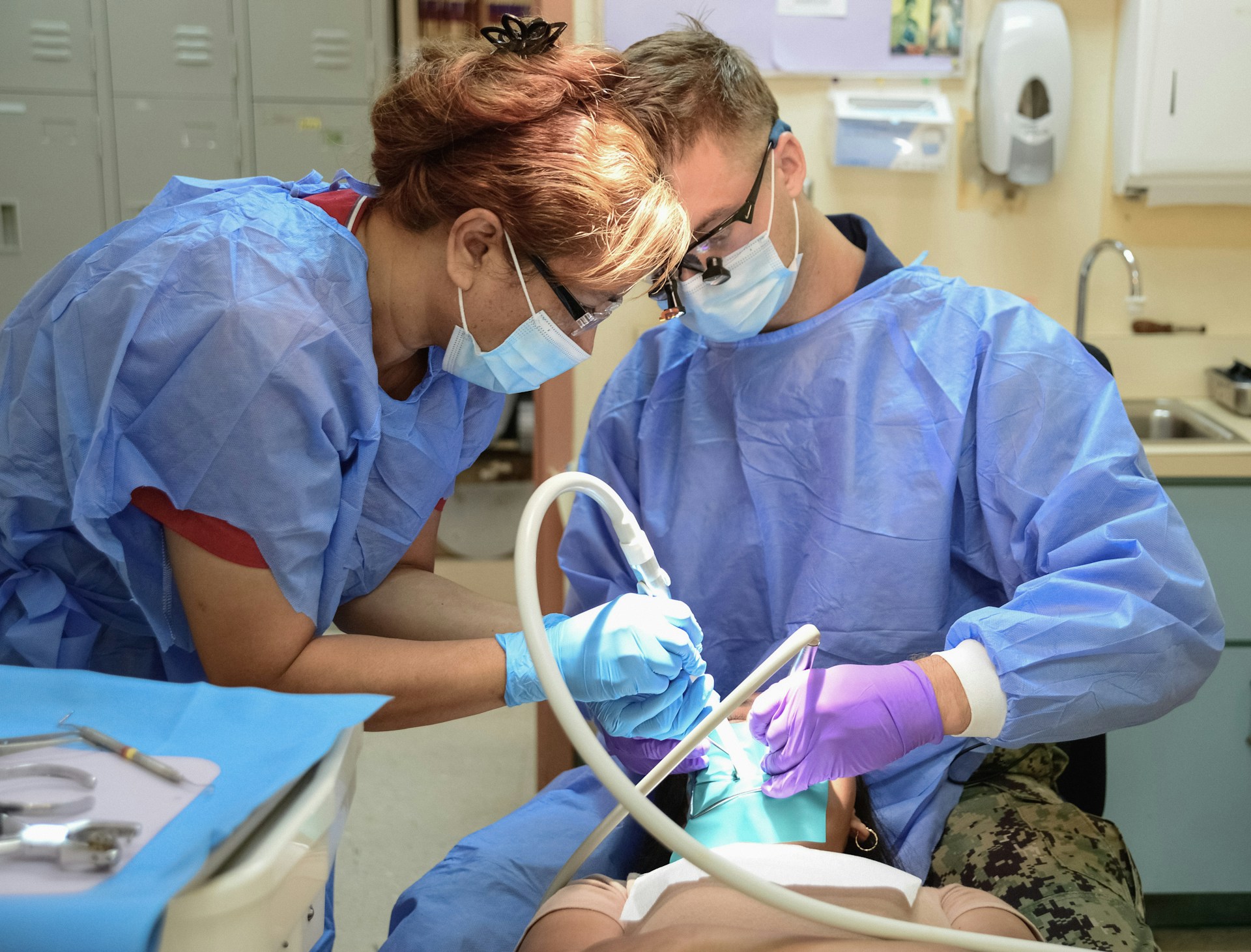
Oral surgery practices face unique lead generation challenges in 2026—high-value procedures like dental implants and wisdom teeth removal demand specialized marketing approaches that capture high-intent patients ready to invest. With over 35% of patient inquiries arriving outside business hours and Google Ads costs for "dental implants" reaching $20-40+ per click, missing even a single lead represents significant lost revenue. The solution lies in an integrated approach that combines AI-powered 24/7 communication with strategic digital optimization. Arini's AI receptionist platform addresses the critical gap in oral surgery lead generation by ensuring every call is answered, every inquiry is captured, and every opportunity is converted—regardless of time of day.
Key Takeaways
- Most of patient inquiries arrive after hours—AI receptionists capture these leads competitors miss, generating an estimated $18,100 in monthly net benefits
- Google Business Profile optimization delivers 243% more map views and accounts for ~32% of local ranking factors—the highest-ROI activity for oral surgery practices
- Procedure-specific landing pages achieve 5%+ conversion rates versus 2% average for generic dental websites, maximizing expensive paid advertising spend
- Systematic patient reactivation campaigns generate 2-5% response rates from existing databases of patients with incomplete treatment—essentially "free" high-value leads
- AI receptionists deliver 18,000%+ monthly ROI by booking 4+ additional appointments daily, reducing no-shows by 47%, and freeing staff time
- 60%+ of new movers seek new healthcare providers within their first 6 months—making geographic targeting one of the most efficient lead generation tactics
- AI Search Optimization is replacing traditional SEO as Google's Search Generative Experience summarizes content, requiring practices to optimize for AI content extraction
Understanding the Oral Surgery Patient Journey in 2026 for Effective Lead Generation
The oral surgery patient journey has evolved significantly by 2026. Unlike general dental care, oral surgery patients seek specialized, high-value procedures that require extensive research and trust-building before commitment. According to the CDC's oral health surveillance data, millions of Americans seek oral surgical procedures annually, making this a significant healthcare segment. These patients typically follow a multi-touch journey:
- Initial Problem Recognition: Pain, aesthetic concerns, or referral from general dentist
- Digital Research Phase: Extensive online searching for "dental implants [city]," "wisdom teeth removal cost," or "oral surgeon near me"
- Provider Comparison: Evaluating multiple practices based on reviews, before/after photos, and perceived expertise
- Initial Contact: Phone call, website form, or text message to gather information
- Consultation Decision: Scheduling and attending initial consultation
- Treatment Acceptance: Converting consultation to actual procedure
The critical insight is that modern oral surgery patients are digital-first and mobile-dominant, with 50-70% of dental website traffic coming from mobile devices. They expect immediate responses—practices that don't respond within minutes often lose leads to competitors who can.
Identifying Key Decision-Making Points
Oral surgery patients make critical decisions at specific touchpoints:
- Google Search Results: The Local Pack (top 3 map listings) captures majority of clicks, with practices ranking #1 receiving 35% of all clicks
- Website First Impression: Patients decide within 3-5 seconds whether a practice appears professional and trustworthy
- Initial Communication: The first phone call or chat interaction determines whether patients feel heard and understood
- Consultation Experience: The in-person meeting where trust is solidified and treatment plans are accepted
The Role of Online Reviews and Referrals
Reviews have become the modern word-of-mouth, with 28% more clicks going to practices with 4.5+ star ratings. However, oral surgery practices need more than just star ratings—they need reviews that mention specific procedures. Google's AI increasingly prioritizes reviews that demonstrate expertise in particular services, making systematic review generation after high-satisfaction visits essential.
Targeting Specific Oral Surgery Needs
Successful lead generation requires segmentation by procedure type:
- Dental Implants: High-value ($3,000-25,000+), longer decision cycle, requires extensive education
- Wisdom Teeth Removal: Lower value but high volume, often urgent, typically younger patients
- Bone Grafting: Complex procedures requiring specialized expertise and trust
- Orthognathic Surgery: Rare but extremely high-value, requires extensive consultation
Each segment requires different messaging, landing pages, and follow-up strategies to maximize conversion.
Mastering Digital Marketing Strategies for Oral Surgery Lead Generation
Digital marketing for oral surgery practices in 2026 requires sophistication beyond basic Google Ads campaigns. The competitive landscape demands an integrated approach that maximizes ROI across multiple channels.
Optimizing for Local Search & Online Visibility
Google Business Profile (GBP) has become the cornerstone of oral surgery lead generation. With GBP signals accounting for approximately 32% of local pack ranking weight, proper optimization is non-negotiable. Effective GBP optimization includes:
- Complete Service Listings: Detailed descriptions of each oral surgery procedure offered
- High-Quality Visual Content: 20+ professional photos of office, team, and before/after cases
- Regular GBP Posts: 2-3 weekly updates about procedures, patient stories, and practice news
- Systematic Review Generation: Achieving 4.8+ star ratings with 150+ reviews mentioning specific services
- Prompt Review Responses: Public replies to every review within 24 hours
Practices implementing comprehensive GBP optimization report 67% increases in local search visibility, 243% more map views, and 108% more direction requests—translating to 30-40 additional consultation calls monthly.
Crafting Compelling Content for Oral Surgery Patients
Content marketing must address the specific concerns and questions oral surgery patients have. Research from the National Library of Medicine on patient healthcare decision-making shows that patients increasingly rely on digital content before making healthcare choices. Effective content strategies include:
- Procedure-Specific Landing Pages: Dedicated pages for each major service following the "50-word rule" (concise 2-3 sentence summaries at the top)
- Educational Video Content: 90-second explainer videos addressing common concerns and showcasing expertise
- Patient Testimonial Libraries: Before/after galleries with detailed case studies
- Financing Information: Clear explanations of payment options and insurance coverage
- FAQ Sections: Comprehensive answers to common questions about recovery, pain, and outcomes
The key is creating content that builds trust while addressing the specific anxieties patients have about surgical procedures.
Leveraging Paid Advertising for Immediate Growth
Paid advertising remains essential for oral surgery practices, but requires strategic implementation:
- Google Ads: Focus on high-intent keywords like "dental implants [city]" despite $20-40+ CPC costs
- Meta Ads: Target demographic segments likely to need oral surgery procedures
- YouTube Advertising: Reach patients in research mode watching educational content
- Geofencing: Target patients near competitor offices or complementary businesses
However, paid advertising only works when paired with conversion-optimized landing pages. Practices sending ad traffic to generic homepages waste 95%+ of their ad spend. Successful campaigns use procedure-specific landing pages with clear calls-to-action, social proof, and one-click booking capabilities.
Building a Robust Patient Acquisition Strategy for Oral Surgery
Beyond digital marketing tactics, successful oral surgery practices implement comprehensive patient acquisition strategies that address the full patient lifecycle.
Cultivating Strong Referral Relationships
Referrals remain crucial for oral surgery practices, but require systematic management:
- General Dentist Relationships: Regular communication and easy referral processes
- Specialist Networks: Collaborations with orthodontists, periodontists, and other specialists
- Patient Referral Programs: Encouraging satisfied patients to refer friends and family
- Professional Community Engagement: Speaking at dental society meetings and continuing education events
The key is making referrals easy and tracking their effectiveness to focus efforts on the most productive relationships.
Enhancing the Patient Experience from First Contact
The patient experience begins with the first interaction, whether phone call, website visit, or text message. Practices must ensure:
- Immediate Response: Answering inquiries within minutes, not hours or days
- Knowledgeable Staff: Team members who can answer basic questions about procedures
- Seamless Scheduling: Easy appointment booking without phone tag or voicemail
- Clear Communication: Consistent information about procedures, costs, and expectations
This is where AI receptionists like Arini's platform provide significant advantage—answering 100% of calls 24/7, handling complex questions about insurance and procedures, and booking appointments directly into practice management systems.
Measuring & Optimizing Acquisition Channels
Effective patient acquisition requires data-driven decision making:
- Call Tracking: Understanding which marketing channels generate actual phone calls
- Appointment Attribution: Connecting specific campaigns to booked consultations
- Conversion Rate Analysis: Measuring how effectively different channels convert to actual procedures
- ROI Calculation: Determining cost per acquired patient and lifetime value
Practices that implement systematic tracking and optimization consistently outperform those relying on gut feelings or isolated metrics.
Leveraging AI for Enhanced Lead Generation and Patient Engagement
AI technology has become essential for oral surgery lead generation in 2026, addressing the critical gap between patient inquiry and practice response.
Automating Initial Patient Interactions
AI receptionists handle the crucial first interaction with potential patients, providing:
- 24/7 Availability: Answering calls and inquiries at any time, including weekends and holidays
- Natural Language Processing: Understanding complex questions about procedures, insurance, and scheduling
- Instant Scheduling: Booking appointments directly into practice management systems like OpenDental, Dentrix, and EagleSoft
- Consistent Information: Providing accurate, up-to-date information about office hours, procedures, and policies
This automation ensures that the 35%+ of inquiries arriving outside business hours are captured rather than lost to competitors.
Ensuring No Lead is Missed with 24/7 Answering
Traditional practices miss approximately 30% of calls during peak times and 100% of after-hours inquiries. AI receptionists eliminate this revenue leakage by:
- Answering Every Call: 100% call capture rate versus 70% for traditional approaches
- Handling Complex Inquiries: Answering detailed questions about procedures, recovery times, and insurance coverage
- Emergency Triage: Identifying true emergencies and escalating appropriately
- Multilingual Support: Communicating with patients in their preferred language
The financial impact is substantial—practices implementing AI receptionists report capturing 4+ additional appointments daily, generating approximately $18,100 in monthly net benefits.
Personalizing Patient Communication with AI
Modern AI receptionists go beyond basic automation to provide personalized experiences:
- Adaptive Learning: Understanding practice-specific workflows and preferences over time
- Custom Call Flows: Tailoring interactions based on caller type (new patient, existing patient, emergency)
- Integration with Patient History: Accessing relevant information for returning patients
- Consistent Brand Voice: Maintaining practice personality and communication style
Arini's platform exemplifies this approach, with customizable call flows that mirror front desk protocols while handling routine calls, scheduling, and basic questions—allowing human staff to focus on complex cases and patient experience.
Optimizing Your Oral Surgery Practice's Online Presence for Lead Capture
Your digital real estate—the website, Google Business Profile, and online directories—serves as your 24/7 sales representative. Optimizing this real estate for lead capture is essential in 2026.
Designing a Convert-Focused Website
Effective oral surgery websites prioritize conversion over aesthetics:
- Mobile-First Design: Optimizing for the 50-70% of patients using mobile devices
- Clear Navigation: Making it easy to find procedure information and contact options
- Strong Visual Hierarchy: Guiding visitors to calls-to-action and booking options
- Trust Signals: Displaying credentials, certifications, and patient testimonials prominently
- Fast Loading Speed: Ensuring pages load in under 3 seconds to prevent bounce
Well-optimized websites can increase conversion rates by 30% or more, with top-performing practices achieving rates above 5% compared to the 2-5% typical range.
Implementing Seamless Online Booking
Online booking is no longer optional—it's expected. Effective implementation includes:
- Real-Time Availability: Showing actual appointment slots available
- Procedure-Specific Scheduling: Allowing patients to select the appropriate consultation type
- Automated Confirmations: Sending immediate confirmation via text and email
- Integration with Practice Management: Syncing directly with OpenDental, Dentrix, and other systems
- Reminders and Follow-up: Automated communication to reduce no-shows
When combined with AI receptionist capabilities like Arini's Call Answering Module, practices ensure that whether patients book online or call, the experience is seamless and appointments are captured.
Enhancing UX for Oral Surgery Patients
User experience must address the specific anxieties oral surgery patients have:
- Transparent Pricing Information: Providing cost ranges and financing options upfront
- Recovery Timeline Details: Setting realistic expectations about healing and downtime
- Before/After Galleries: Showing real patient results to build confidence
- Provider Bios: Highlighting surgeon credentials and experience
- Patient Testimonials: Featuring video and written reviews from satisfied patients
The goal is reducing anxiety and building trust before the first consultation, making patients more likely to convert and accept treatment recommendations.
Streamlining Operations to Maximize Lead Conversion and Patient Satisfaction
Internal operations directly impact lead conversion—practices with inefficient workflows lose leads even when they successfully generate inquiries.
Relieving Front-Desk Staff for Better Patient Focus
Front desk staff buried in phone calls cannot provide quality patient service. AI receptionists like Arini's AI Receptionist Platform address this by:
- Handling Routine Calls: Answering questions about office hours, directions, and basic procedures
- Scheduling Appointments: Managing new and returning patient scheduling directly in PMS systems
- Providing After-Hours Coverage: Ensuring patients get immediate responses regardless of time
- Escalating Complex Cases: Transferring calls that require human judgment to appropriate staff
This allows human staff to focus on complex patient needs, treatment coordination, and providing exceptional in-person experiences.
Automating Routine Tasks for Efficiency
Operational efficiency requires automating repetitive tasks:
- Insurance Verification: Automated preliminary insurance checks before consultations
- Appointment Reminders: Multi-channel reminders (text, email, phone) to reduce no-shows
- Follow-up Communications: Automated post-procedure check-ins and satisfaction surveys
- Recall Management: Systematic outreach to patients due for follow-up care
AI receptionists can reduce no-shows through automated reminders and improve schedule utilization by filling last-minute cancellations with AI-identified available patients.
Ensuring Consistent Patient Follow-Up
Consistent follow-up prevents lead leakage:
- Immediate Response Protocols: Responding to inquiries within minutes, not hours
- Systematic Nurture Campaigns: Automated email and text sequences for patients not ready to book immediately
- Abandoned Cart Recovery: Following up with patients who started but didn't complete online booking
- Post-Consultation Follow-up: Ensuring treatment plans are accepted and scheduled
Practices implementing systematic follow-up see significantly higher conversion rates and patient satisfaction scores compared to those relying on manual processes.
Measuring ROI and Refining Your Lead Generation Efforts with Analytics
Data-driven decision making separates successful oral surgery practices from those struggling with growth. The American Dental Association provides practice management resources that emphasize the importance of analytics in modern dental operations.
Tracking Key Performance Indicators for Lead Gen
Essential metrics to track include:
- Call Volume and Answer Rate: Percentage of calls answered versus missed
- Lead Source Attribution: Which marketing channels generate the most appointments
- Consultation Conversion Rate: Percentage of consultations that convert to procedures
- Average Procedure Value: Revenue generated per accepted treatment plan
- Patient Acquisition Cost: Total marketing spend divided by new patients acquired
Arini's Analytics & Notifications Module provides dashboards tracking call volume, answered calls, missed calls, and booked appointments, with real-time notifications for every booked appointment.
Calculating the Financial Impact of New Appointments
ROI measurement must connect marketing activities to financial outcomes:
- Revenue Impact Metrics: Appointments booked translated to production value
- Lifetime Patient Value: Understanding long-term revenue from acquired patients
- Cost Per Acquired Patient: Total marketing and operational costs divided by patients acquired
- Break-Even Analysis: Determining how many additional appointments justify technology investments
Practices implementing AI receptionists report $56K+ in new revenue in 30 days (Kare Mobile case study) and $100K+/month uplift with 24% profit increase (Unified Dental Care case study).
Future-Proofing Your Oral Surgery Lead Generation Strategy for Lasting Growth
The oral surgery marketing landscape continues evolving, requiring practices to anticipate and adapt to emerging trends.
Anticipating Changes in Patient Behavior
Patient expectations continue shifting toward:
- Instant Gratification: Expecting immediate responses and same-day appointment availability
- Digital-First Interactions: Preferring text and chat over phone calls
- Transparent Pricing: Demanding clear cost information before committing to consultations
- Personalized Experiences: Expecting communications tailored to their specific needs and preferences
Practices that adapt to these changing expectations will capture market share from those clinging to traditional approaches.
Integrating New Technologies Ethically
Emerging technologies offer significant opportunities:
- AI Search Optimization: Adapting content for Google's Search Generative Experience and AI-powered search
- Voice-to-Notes Transcription: Real-time clinical documentation during procedures
- Predictive Analytics: AI identifying high-value patients and optimal follow-up timing
- Virtual Consultations: Expanding access while maintaining quality care
However, all technology implementations must maintain HIPAA compliance and prioritize patient privacy and security.
Building a Culture of Innovation
Sustainable growth requires fostering innovation:
- Staff Training: Ensuring team members embrace rather than resist new technologies
- Patient Feedback: Regularly soliciting input on communication preferences and experience
- Competitive Analysis: Monitoring what successful practices are implementing
- Continuous Learning: Staying current with industry trends and best practices
Arini's platform supports this innovation culture through adaptive learning capabilities and continuous development, keeping practices ahead of the curve in patient communication and operational efficiency.
Frequently Asked Questions
What are the most effective digital marketing channels for oral surgeons in 2026?
Google Business Profile optimization delivers the highest ROI, accounting for ~32% of local ranking factors and generating 243% more map views when properly optimized. Paid advertising on Google Ads remains essential for high-intent searches like "dental implants [city]," but requires procedure-specific landing pages to achieve 5%+ conversion rates. YouTube advertising effectively reaches patients in research mode, while systematic patient reactivation campaigns targeting existing databases generate 2-5% response rates with established trust.
How important is 24/7 call answering for oral surgery practices?
24/7 call answering is critical—over 35% of patient inquiries arrive when traditional offices are closed, and practices that don't respond immediately essentially waste their marketing investment. Emergency oral surgery needs (like broken teeth or severe pain) often occur outside business hours, and patients experiencing pain are unlikely to leave voicemails. AI receptionists that answer every call 24/7 ensure these high-intent, high-value leads are captured rather than lost to competitors, with some practices reporting 5 additional after-hours appointments per day.
What role does patient experience play in converting leads for oral surgery?
Patient experience begins with the first interaction and significantly impacts conversion rates. Oral surgery patients are making high-stakes decisions about invasive procedures and need to feel confident in their provider's expertise and care. Practices that provide immediate responses, knowledgeable staff, transparent information about procedures and costs, and seamless scheduling convert at much higher rates than those with delayed responses, voicemail-only systems, or inconsistent information. The average dental patient lifetime value of $2,000-5,000+ makes investing in exceptional patient experience highly profitable.
What emerging trends should oral surgery practices prepare for in lead generation?
AI Search Optimization is replacing traditional SEO as Google's Search Generative Experience summarizes content at the top of results, potentially bypassing practice websites entirely. Practices must optimize for AI content extraction through structured data, concise Q&A content, and entity building. New mover targeting represents significant opportunity, with 60%+ of recent movers seeking new healthcare providers within their first 6 months. Additionally, voice-to-notes transcription and predictive analytics will enable more sophisticated patient communication and follow-up timing based on individual patient behavior patterns.


