How to Expand Your Dental Practice in Florida - 2026
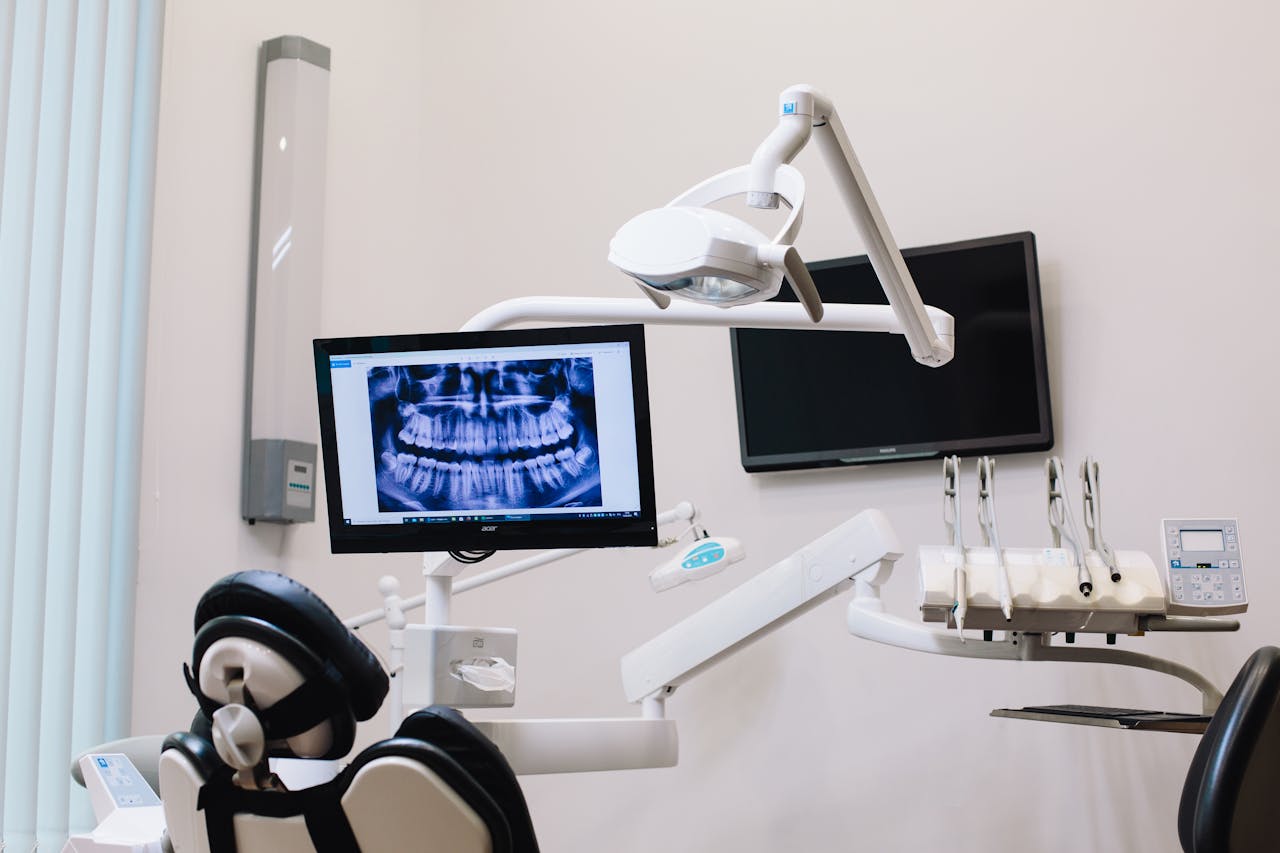
The U.S. dental market is experiencing unprecedented growth, with a projected 4.61% CAGR reaching $212 billion by 2026. Florida's market, valued at $11.2 billion, represents a key region of opportunity for ambitious dental practice owners. Success lies not just in finding new locations or joining a DSO, but in ensuring your operational foundation can support expansion without sacrificing patient experience. This is where technology like Arini's platform becomes essential, enabling 24/7 patient communication and appointment scheduling without proportionally increasing front desk staffing as you grow.
Key Takeaways
- HRSA designates 65 of Florida's 67 counties as dental Health Professional Shortage Areas (HPSAs), affecting over 7.1 million residents and creating significant expansion opportunities
- DSO consolidation is accelerating in 2026, with major players like Heartland Dental acquiring established groups (like 60-location Smile Design Dentistry) to expand their Florida footprint
- Only Florida-licensed dentists can own dental practices due to corporate practice restrictions, requiring careful legal structuring for any expansion model
- Urban markets (Miami, Tampa, Orlando) command premium valuations compared to rural areas, while underserved regions offer high-need opportunities with lower competition
- AI receptionists support expansion by maintaining consistent patient communication across multiple locations without adding proportional staffing costs
- Only 9.5% of dentists under 30 are practice owners, down from 25% in 2005, creating both challenges and opportunities in the market
The Florida Dental Market: Opportunity Meets Complexity
Florida's dental landscape presents a paradox of opportunity. The state's growing population and tourism create robust demand for dental services, yet the market is bifurcated between affluent urban corridors and critically underserved rural areas.
Urban Corridor Advantages
- Premium patient demographics in Miami-Dade, Broward, and Palm Beach counties
- Higher treatment acceptance rates for premium services
- Strong DSO presence providing infrastructure support
- Established insurance networks with better reimbursement
Rural Area Opportunities
- Critical shortage: 42% of Florida's 32 rural counties show a 77% increase in dental ER visits
- $1 billion spent annually on preventable dental ER visits, indicating massive unmet demand
- Less competition from established practices and DSOs
- Community impact potential through mission-driven practice models
The regulatory environment adds complexity. Florida maintains strict corporate practice of dentistry rules, meaning only Florida-licensed dentists can own practices. This restriction shapes all expansion models, requiring careful legal structuring whether you're forming a group practice, affiliating with a DSO, or opening new locations independently.
Expansion Pathway #1: DSO Affiliation or Partnership
For many Florida dentists, DSO affiliation offers the most straightforward path to expansion or exit. The model has evolved significantly, with modern DSOs offering varying degrees of autonomy and support.
Major Florida DSO Players
Heartland Dental operates 180+ practices across Florida and recently acquired Smile Design Dentistry (60 locations), making it the largest DSO presence in the state. Their model emphasizes doctor-led culture while providing comprehensive non-clinical support.
Dental Care Alliance, headquartered in Sarasota, supports 400+ affiliated practices across 24 states and was recognized as one of America's Greatest Workplaces for Diversity in 2023. Their partnership model preserves dentist autonomy while providing administrative support.
Emerging Models like EKOS Dental Group (18 Florida practices) operate without private equity backing, focusing on a dentist-owned, dentist-led approach that appeals to practitioners seeking independence within a group structure.
DSO Deal Structures
- Full Practice Sale: Immediate liquidity with continued employment
- Partial Sale with Rollover Equity: Cash plus ownership stake
- Management Services Agreement: Retain ownership while outsourcing non-clinical functions
Most DSO transactions in 2026 include earn-out provisions based on performance, aligning incentives between the selling dentist and the acquiring organization.
When DSO Affiliation Makes Sense
- You're seeking liquidity while continuing to practice
- You want to focus exclusively on clinical work
- Your practice has strong financial performance
- You're approaching retirement and want a structured transition
Expansion Pathway #2: Independent Multi-Location Growth
For dentists who value complete autonomy, independent multi-location growth remains viable but challenging. This approach requires significant capital, operational expertise, and risk tolerance.
Site Selection Strategy
Your location choice determines your success. Key factors include:
- Demographic Analysis: Income levels, insurance penetration, age distribution
- Competition Assessment: Existing practices, DSO presence, specialty availability
- Real Estate Costs: Urban premiums versus rural affordability
- Growth Trajectory: Population trends, new development, economic indicators
High-value markets like Miami-Dade, Hillsborough (Tampa), and Orange (Orlando) counties offer strong patient bases and higher treatment acceptance. Rural counties present opportunities to address critical needs but require different business models.
Financing Options
- Conventional Bank Loans: Best for established practices with strong cash flow
- SBA 7(a) Loans: Government-backed financing with lower down payment requirements (10-20%)
- Private Investment: Equity partnerships for significant expansion capital
- Retained Earnings: Self-funding for conservative growth
The typical investment for a new location ranges from $400,000 to $750,000, though costs can exceed $1 million depending on location, size, and technology choices.
Operational Challenges
Independent expansion requires building infrastructure from scratch:
- Staff Recruitment: Finding qualified team members in competitive markets
- Technology Standardization: Ensuring consistent systems across locations
- Quality Control: Maintaining clinical standards and patient experience
- Financial Management: Complex accounting across multiple entities
This pathway demands exceptional operational skills but offers the highest potential returns and complete control.
Expansion Pathway #3: Group Practice Formation
Group practice formation represents a middle ground between DSO affiliation and independent expansion. By partnering with other dentists, you can share resources and achieve economies of scale while maintaining ownership and clinical autonomy.
Partnership Models
- Equal Partnership: Shared ownership and decision-making
- Managing Partner Structure: One partner handles administration
- Hybrid Model: Combination of ownership and associate arrangements
Legal Considerations
Florida's corporate practice restrictions require careful legal structuring. Partnerships must be formed as professional corporations with 100% dentist ownership. Key legal documents include:
- Partnership Agreement: Defines ownership, profit distribution, decision-making
- Operating Agreement: Outlines day-to-day operations
- Buy-Sell Agreement: Establishes terms for partner departure or retirement
Consultation with a healthcare attorney experienced in Florida dental law is essential.
Shared Services Benefits
- Reduced Overhead: Shared administrative staff, marketing, and technology
- Enhanced Coverage: Cross-coverage for vacations and emergencies
- Purchasing Power: Better pricing on supplies and equipment
- Knowledge Sharing: Collaborative learning and development
Success depends more on relationship compatibility than financial arrangements.
Step-by-Step Expansion Process
Step 1: Assess Your Readiness
Before pursuing expansion, conduct a comprehensive assessment:
- Financial Performance: 3 years of EBITDA and cash flow analysis
- Provider Stability: Coverage capacity and succession planning
- Staff Capacity: Current workload and cultural readiness
- Technology Infrastructure: Current systems and integration capabilities
- Market Position: Competitive analysis and patient demographics
Engage professional advisors including a dental practice consultant, CPA, and healthcare attorney.
Step 2: Determine Your Model
Evaluate the three pathways based on:
- Clinical Autonomy: Level of independence desired
- Financial Goals: Immediate liquidity vs. long-term wealth building
- Risk Tolerance: Willingness to assume debt and complexity
- Retirement Timeline: Short-term exit vs. multi-decade growth
- Team Impact: How each model affects staff and patients
Step 3: Navigate Regulatory Requirements
Compliance with Florida's corporate practice of dentistry rules is non-negotiable. Key requirements include:
- 100% Dentist Ownership: Professional corporations must be owned entirely by Florida-licensed dentists
- DPMC Structure: Non-dentists can provide management services through Dental Practice Management Companies with strict separation of clinical and business functions
- Equipment Leasing: Specific requirements for equipment ownership
- Practice Management Agreements: Must comply with F.A.C. 64B5-17.013 restrictions
Legal review by a Florida healthcare attorney is essential before proceeding.
Step 4: Execute Your Pathway
For DSO Affiliation:
- Due diligence period (30-60 days)
- Letter of Intent and purchase agreement negotiation
- Non-compete and employment contract finalization
For Independent Expansion:
- Site selection and lease negotiation
- Construction permits and build-out
- Equipment procurement and installation
- Staff recruitment and training
For Group Practice:
- Partner selection and due diligence
- Legal structure and documentation
- Shared services implementation
Step 5: Integrate Operations
Successful expansion requires seamless integration:
- Practice Management System: Consolidate patient records and workflows
- Communication Platforms: Implement consistent patient communication
- Clinical Protocols: Standardize treatment planning
- Staff Training: Ensure consistent patient experience
This is where AI-powered solutions like Arini's platform become invaluable, providing consistent 24/7 patient communication and appointment scheduling across multiple locations.
Technology as a Growth Enabler
In 2026, technology isn't just a convenience—it's a competitive necessity for practice expansion. The right technology stack can reduce operational complexity and support growth without proportional cost increases.
Essential Technology Components
- AI-Powered Communication: 24/7 call answering and appointment scheduling
- Cloud-Based Practice Management: Real-time access and multi-location support
- Digital Imaging: Standardized clinical documentation
- Tele-dentistry Platforms: Extended care options
- Analytics and Reporting: Performance tracking across locations
AI Receptionists: Scalable Front Desk
As you expand, front desk challenges multiply. Each new location requires additional staff to handle calls, schedule appointments, and answer questions. AI receptionists solve this by providing consistent, 24/7 coverage across all locations without proportional staffing costs.
Key benefits for expanding practices:
- Consistent Brand Experience: Same professional communication standards across locations
- Scalable Coverage: Handle unlimited call volume without adding staff
- Reduced Training Costs: No need to train receptionists on complex procedures
- Real-Time Scheduling: Direct integration with practice management systems
- After-Hours Revenue: Capture appointments during nights and weekends
Case studies show practices achieving 12% revenue increase and 24% profit margin improvement through AI implementation.
Why Arini Powers Successful Florida Expansion
For Florida dental practices pursuing expansion in 2026's complex market, Arini delivers the operational foundation needed to grow without sacrificing patient experience or financial performance.
Arini's platform specifically addresses multi-location growth challenges through:
- Multi-Location Routing: Intelligent call routing that directs patients to the appropriate location based on their needs and geographic proximity
- Customizable Workflows: Separate call flows for each location while maintaining consistent brand standards
- Deep PMS Integration: Real-time scheduling in Dentrix, Eaglesoft, Open Dental, and Denticon across all locations
- Scalable Analytics: Performance tracking across your entire practice network
- White-Glove Onboarding: Arini's team programs your AI receptionist to mirror your exact procedures for each location
Unlike generic solutions, Arini was built by MIT AI experts with deep dental industry knowledge. The platform reduces labor costs while improving satisfaction scores across all locations.
Florida practices navigating expansion need technology that scales with growth. Arini provides exactly that—consistent patient communication, seamless scheduling, and operational efficiency that supports ambitious growth plans. Book a demo to see how Arini can support your specific expansion strategy.
Frequently Asked Questions
How can AI help my dental practice in Florida grow?
AI receptionists support Florida practice growth by providing 24/7 call answering and appointment scheduling across multiple locations without proportional staffing costs. This is particularly valuable in Florida's bifurcated market, where urban practices need to handle high call volumes efficiently while rural practices can maintain professional communication despite limited staffing. AI systems like Arini integrate directly with practice management systems, ensuring consistent patient experience and capturing revenue from after-hours inquiries.
What are effective digital marketing strategies for dental practices in 2026?
Effective 2026 strategies include local SEO optimization targeting high-intent keywords in your specific market, Google My Business optimization with consistent NAP information across all locations, online review management, and mobile-first website design. For multi-location practices, location-specific landing pages and geo-targeted advertising are essential. Integrating AI-powered communication ensures marketing-driven calls are never missed, maximizing ROI.
How important is HIPAA compliance when choosing dental technology?
HIPAA compliance is non-negotiable when choosing dental technology in Florida. With increasing cybersecurity threats and strict regulatory requirements, any technology that handles patient data must be fully HIPAA compliant. This includes AI receptionists, practice management systems, and communication platforms. Verify that vendors have proper Business Associate Agreements, implement appropriate security measures, and maintain compliance certifications.
Can an AI receptionist handle complex patient questions and scheduling?
Yes, modern AI receptionists like Arini are specifically designed to handle complex dental workflows. They can answer questions about insurance coverage, billing policies, office hours, and treatment procedures. For scheduling, they handle new patient intake, existing patient appointments, emergency triage, and recall scheduling—all while integrating directly with your practice management system. Most patients don't realize they're speaking with AI, and satisfaction scores often improve.
What key metrics should I track to measure practice growth?
Key metrics for measuring Florida dental practice growth include call answer rate (target 90%+), appointment conversion rate, new patient acquisition cost, patient retention rate, schedule utilization rate, and revenue per provider. For multi-location practices, track these metrics both individually by location and across your entire network. Additionally, monitor market share in your geographic area, insurance mix changes, and patient satisfaction scores.


