How to Solve the Dental Front Desk Staffing Crisis with AI
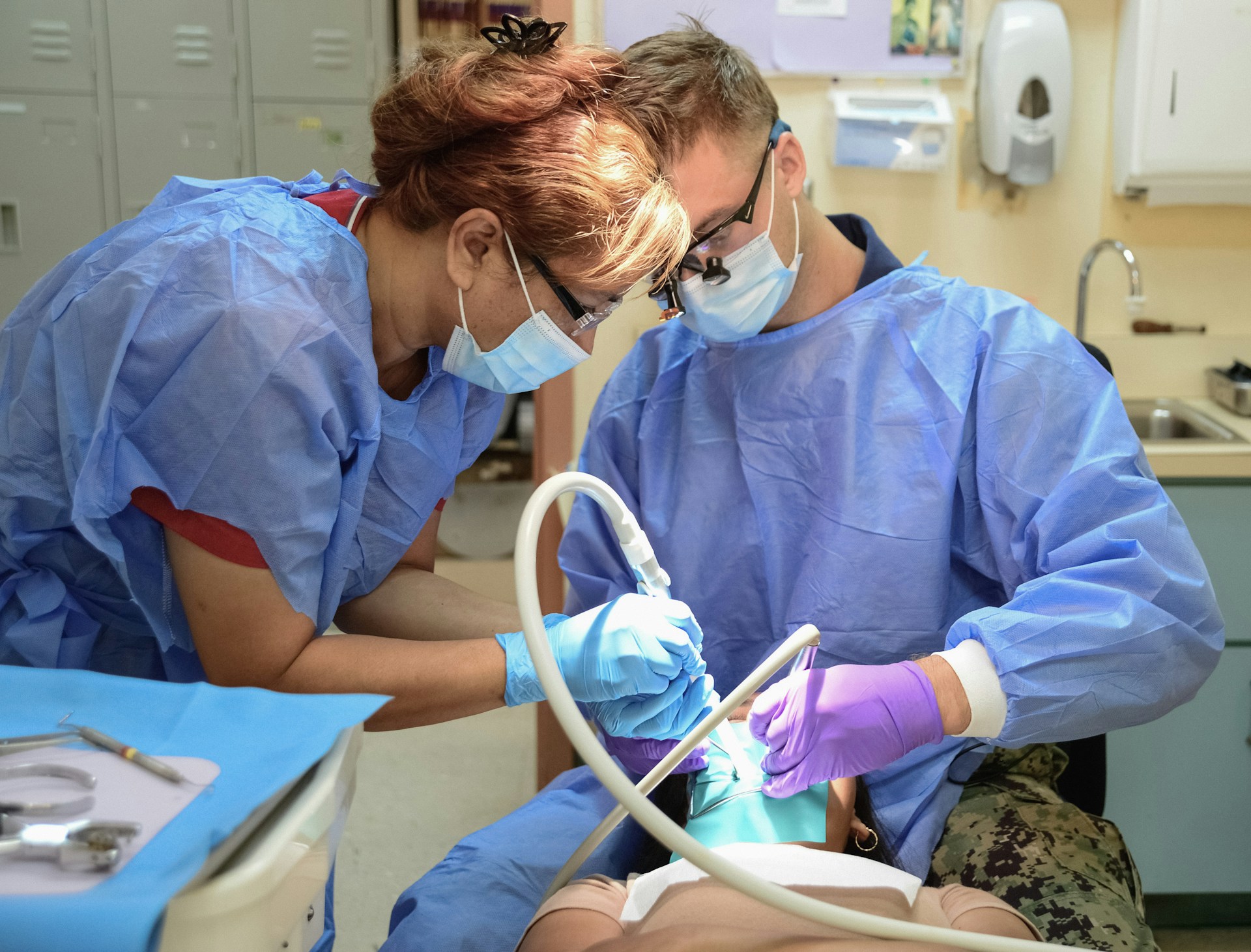
The dental industry faces an unprecedented staffing crisis, with 66% of dental practices reporting staffing as their number one hindrance and priority in 2024. Front desk positions—critical for patient intake, scheduling, and billing—are particularly difficult to fill, with more than onethird of practices finding it extremely challenging to recruit qualified administrative staff, and approximately 70% struggling to hire dental assistants. This vacuum in human resources directly impacts your bottom line: every front desk vacancy puts significant revenue at risk, with industry analysts estimating that missed patient calls alone can cost a practice over $100,000 annually. Modern AI receptionist technology offers a direct, proven solution by automating repetitive tasks, providing 24/7 coverage, and allowing your existing team to focus on highvalue patient interactions. The Arini platform is specifically designed for dental practices seeking to overcome staffing shortages while driving revenue growth.
Key Takeaways
- 66% of dental practices reported staffing as their number one hindrance and priority in 2024
- Every front desk vacancy puts significant revenue at risk, with missed calls alone potentially costing practices over $100,000 annually
- Inefficiency from redistributed workloads creates substantial costs as clinical staff take on administrative tasks outside their expertise
- AI receptionists capture dozens of additional new patient appointments monthly that would otherwise be lost to voicemail
- Practices implementing AI report significant reductions in front desk turnover and scheduling errors
- Dental practices using AI receptionists generate substantial additional monthly revenue per location
- Modern AI solutions integrate with existing practice management systems in days to weeks, not months
- AI augments rather than replaces staff, reducing burnout by handling repetitive tasks like scheduling and basic inquiries
The Staffing Crisis Crippling Dental Practices
Your dental practice operates in a perfect storm of labor market challenges. The postpandemic landscape has fundamentally altered workforce dynamics, with dental offices competing against Starbucks, Target, and remote tech jobs for administrative talent—often at similar or higher wage levels. This isn't a temporary blip; it's a structural shift in the labor market that requires equally structural solutions.
Research from the ADA Health Policy Institute reveals the severity: more than 70% of dentists report that recruiting staff is ""extremely or very challenging."" According to the Health Resources & Services Administration, healthcare workforce shortages—including dental professionals—continue to impact practice capacity nationwide. This staffing shortage has effectively reduced dental practice capacity by 10%, meaning most practices could see significantly more patients if they had adequate front desk support.
The financial implications extend far beyond simple payroll costs. Replacing a single dental assistant costs upwards of $10,000 in direct recruiting expenses, but the hidden costs are far more substantial. Inefficiency from redistributed workloads creates substantial costs as clinical staff take on administrative tasks outside their expertise.
Why Traditional Staffing Solutions Fall Short
The Compensation Trap
Many practice owners instinctively respond to staffing shortages by raising salaries. While this might attract candidates in the short term, it creates unsustainable financial pressure. Payroll costs exceeding 3035% of collections (compared to the recommended 2028%) squeeze profit margins and create dependency on everhigher patient volume to maintain viability. Simply paying more doesn't solve the underlying skills shortage or address the fundamental mismatch between job requirements and workforce expectations.
Dental Staffing Agencies: Temporary Relief, Permanent Problems
Temporary staffing agencies provide stopgap coverage but introduce new challenges:
- Quality inconsistency: Temporary staff lack practicespecific knowledge and protocols
- Training burden: Each new temporary employee requires onboarding time from your existing team
- Limited availability: Agencies often can't provide coverage for afterhours, weekends, or holidays
- Cost accumulation: Agency fees typically add 2550% to hourly wages
- No longterm solution: Temp staff don't solve the underlying retention problem
While agencies might fill immediate gaps, they don't address the root causes of the staffing crisis: changing workforce expectations, skill shortages, and the unsustainable workload placed on front desk personnel.
CrossTraining: Spreading the Pain
Crosstraining clinical staff to handle front desk duties seems logical but often backfires. Dental assistants and hygienists are trained for specific clinical procedures, not administrative workflows. Diverting them to administrative tasks:
- Reduces clinical productivity and revenuegenerating capacity
- Creates role confusion and job dissatisfaction
- Increases overall stress as staff juggle incompatible responsibilities
- Fails to address afterhours coverage needs
The fundamental issue remains: your practice needs dedicated administrative support, but the traditional model of hiring fulltime, inoffice receptionists is increasingly unworkable in today's labor market.
Root Causes of the Front Desk Exodus
The staffing crisis stems from converging factors that have made traditional dental front desk roles less attractive to modern workers:
The Great Resignation Impact
Dental assistants and front office staff left the industry during the pandemic for more stable, betterpaid opportunities with less stress and better worklife balance.
Changing Workforce Expectations
Modern employees demand flexibility, remote work options, and purposedriven roles that traditional dental office structures struggle to provide.
Burnout from Impossible Workloads
Front desk staff simultaneously manage patient checkins, insurance verification (consuming 1530 minutes per patient), appointment scheduling, payment processing, supply ordering, and answering every incoming call—often without adequate support.
Educational and Certification Barriers
High tuition fees, prolonged training periods, and limited dental program seats deter new professionals from entering the field.
Applicant Quality Shift
Many current applicants seek parttime versus fulltime employment and are new to the profession, requiring extensive onthejob training that overburdened practices can't provide.
Understanding these root causes is essential because it reveals that the solution isn't simply finding more people willing to work under the same broken conditions—it's fundamentally reimagining how administrative work gets done.
AI as the Strategic Solution
Artificial intelligence offers a paradigm shift in addressing dental staffing challenges. Rather than trying to find more humans to perform impossible workloads, AI augments your existing team by handling repetitive, rulebased tasks while providing 24/7 coverage that human staff simply cannot deliver.
24/7 Availability Without Burnout
AI receptionists handle the critical communication windows when human staff are unavailable:
- Early morning calls (68 AM): Patients calling before work
- Lunch hour rushes (121 PM): When staff coverage is minimal
- Evening inquiries (58 PM): Patients calling after their workday
- Weekend requests: Saturday and Sunday appointment seekers
- Holiday periods: When offices are closed but patients have questions
This continuous availability captures dozens of additional new patient appointments monthly that would otherwise be lost to voicemail or competing practices.
Automating Repetitive Administrative Tasks
AI systems excel at handling the routine tasks that consume disproportionate front desk time:
- Appointment scheduling and rescheduling with realtime PMS integration
- Insurance verification and prescreening coverage questions
- Appointment reminders via phone, text, and email
- Basic patient FAQs about office hours, directions, and policies
- Payment processing and billing inquiries
- Recall management and patient reactivation campaigns
- Emergency triage to differentiate urgent from routine needs
By automating these functions, AI reduces the cognitive load on human staff, allowing them to focus on complex problemsolving and relationshipbuilding.
Consistency and Accuracy
Unlike human staff who may have off days or varying interpretations of protocols, AI provides:
- Standardized responses that follow your exact procedures
- Perfect recall of patient information and practice policies
- Dramatic reduction in scheduling errors through direct PMS integration
- Consistent tone and professionalism regardless of call volume or time of day
- Multilingual support for diverse patient populations without additional staffing costs
This consistency improves patient experience while reducing errors that can lead to compliance issues or patient dissatisfaction.
Measurable Financial Impact
The ROI of AI implementation is not theoretical—it's quantifiable and substantial. Dental practices implementing AI receptionist technology report capturing dozens of additional new patient appointments monthly that would have been lost to voicemail, significant reductions in front desk turnover (eliminating costly replacement expenses), and improved operational efficiency through automation of repetitive tasks. Multilocation dental groups have documented substantial increases in monthly revenue per location after implementing comprehensive AI receptionist solutions.
These improvements aren't isolated success stories—they represent industrywide trends among practices that have embraced AI as a strategic solution to staffing challenges.
Implementation Without Disruption
Contrary to common misconceptions, AI implementation is faster and easier than traditional hiring:
Week 1: Assessment and Planning
- Document current staffing gaps and pain points
- Calculate revenue impact of vacancies and inefficiencies
- Verify PMS compatibility requirements
- Set measurable improvement goals
Week 2: System Configuration
- Configure AI receptionist with practicespecific information
- Integrate with practice management system (OpenDental, Dentrix, EagleSoft, Denticon)
- Set up call routing rules and scheduling parameters
- Create escalation procedures for complex situations
Week 3: Testing and Training
- Run parallel testing with existing systems
- Train staff on monitoring dashboards and exception handling (24 hours total)
- Refine scripts and responses based on actual patient interactions
- Document procedures for ongoing optimization
Week 4: Full Deployment
- Launch with afterhours coverage first
- Expand to business hours after confirming performance
- Monitor metrics daily for first month
- Adjust configurations based on results
Most practices achieve full implementation within 24 weeks, compared to 23 months for new staff to reach full productivity.
Why Arini Stands Apart in Solving Dental Staffing Challenges
While multiple AI receptionist options exist, Arini delivers unique advantages specifically designed for dental practices seeking to overcome staffing shortages while maintaining exceptional patient care.
Arini's comprehensive platform addresses the full spectrum of dental front desk challenges through its integrated suite of modules:
Call Answering Module: Unlike basic answering services, Arini's AI answers 100% of inbound calls 24/7 and books appointments directly into your practice management system. This eliminates the voicemail black hole that loses dozens of potential new patients monthly while dramatically reducing missed calls.
Patient FAQ Module: Arini handles common patient questions about insurance, billing, office hours, and directions without escalating to human staff. This reduces call volume by handling routine inquiries while ensuring consistent, accurate information delivery.
Analytics Module: Arini provides realtime tracking of call volume, answered calls, missed calls, and booked appointments with revenue impact metrics. This transparency allows you to measure ROI immediately and make datadriven decisions about staffing and operations.
Integration Module: Arini offers seamless integration with major dental PMS platforms and customizable call flows that mirror your exact front desk procedures. This ensures the AI acts as a true extension of your team rather than a disconnected third party.
Arini's approach is fundamentally different from generic AI solutions because it was built by experts with deep dental industry knowledge. The platform understands dental terminology, insurance complexities, emergency protocols, and scheduling nuances that generic AI systems miss. This dentalspecific intelligence ensures accurate, professional interactions that maintain your practice's reputation while solving your staffing crisis.
For practices serious about transforming their front desk operations, Arini's enterprise solutions provide the customization, support, and dentalspecific intelligence needed to succeed in today's challenging labor market. See customer success stories for realworld examples, or book a demo to see how Arini can solve your specific staffing challenges.
Maintaining Compliance and Trust
Patient privacy and regulatory compliance are nonnegotiable in dental practice. Arini addresses these concerns through:
- HIPAA compliance for all patient interactions and data handling
- Secure PMS and telecom integrations with encrypted data transmission
- Rolebased access controls and leastprivilege security models
- Transparent Trust Center documenting security practices and policies
- Business Associate Agreements (BAAs) for all customer relationships
- Ongoing development toward SOC 2 and ISO 27001 certifications
Unlike some AI vendors that treat compliance as an afterthought, Arini builds security and privacy into every aspect of its platform from the ground up. This commitment ensures that your practice can leverage AI technology without compromising patient trust or regulatory compliance.
Frequently Asked Questions
How does an AI receptionist directly solve the dental front desk staffing crisis?
AI receptionists address the staffing crisis by automating the repetitive, timeconsuming tasks that contribute most to front desk burnout: answering phones, scheduling appointments, handling basic FAQs, and managing appointment reminders. This reduces the workload on existing staff, allowing them to focus on complex patient interactions and clinical support. Additionally, AI provides 24/7 coverage that captures revenue opportunities during hours when human staff aren't available. Practices report significant reductions in front desk turnover after AI implementation, directly addressing the retention aspect of the staffing crisis.
What are the main benefits of using AI for dental appointment scheduling and call answering?
AI receptionists deliver multiple benefits for dental practices: they answer 100% of calls 24/7, book appointments directly into practice management systems, handle common patient questions without staff involvement, and dramatically reduce missed calls. This translates to capturing dozens of additional new patient appointments monthly that would otherwise be lost. AI also provides substantial reductions in scheduling errors through direct PMS integration and consistent application of practice protocols.
Is an AI receptionist HIPAA compliant, and how does it handle patient data securely?
Yes, leading AI receptionist platforms like Arini are fully HIPAA compliant for handling patient data. They achieve this through secure PMS and telecom integrations with encrypted data transmission, rolebased access controls, and comprehensive Business Associate Agreements (BAAs). Reputable vendors maintain transparent Trust Centers documenting their security practices and are actively pursuing additional certifications like SOC 2 and ISO 27001 to demonstrate their commitment to data security and patient privacy.
How quickly can a dental practice integrate an AI receptionist system like Arini?
Most dental practices can implement an AI receptionist system in 24 weeks. The process includes initial assessment and planning (1 week), system configuration and PMS integration (1 week), testing and staff training (1 week), and full deployment (1 week). Some vendors like Arini offer whiteglove onboarding that handles all technical aspects, allowing practices to achieve basic functionality within days. This is significantly faster than traditional hiring, which typically requires 23 months for new staff to reach full productivity.
Can an AI receptionist handle complex patient questions or only routine inquiries?
Modern AI receptionists are specifically trained on dental terminology, insurance complexities, and common patient scenarios. They handle routine inquiries about office hours, directions, appointment scheduling, and basic insurance questions effectively. For complex situations beyond their scope—such as detailed treatment plan discussions, complex insurance appeals, or emotionally charged patient interactions—they seamlessly escalate to available human staff with complete context about the conversation. The AI acts as a first line of defense that handles routine matters while ensuring complex issues receive appropriate human attention.