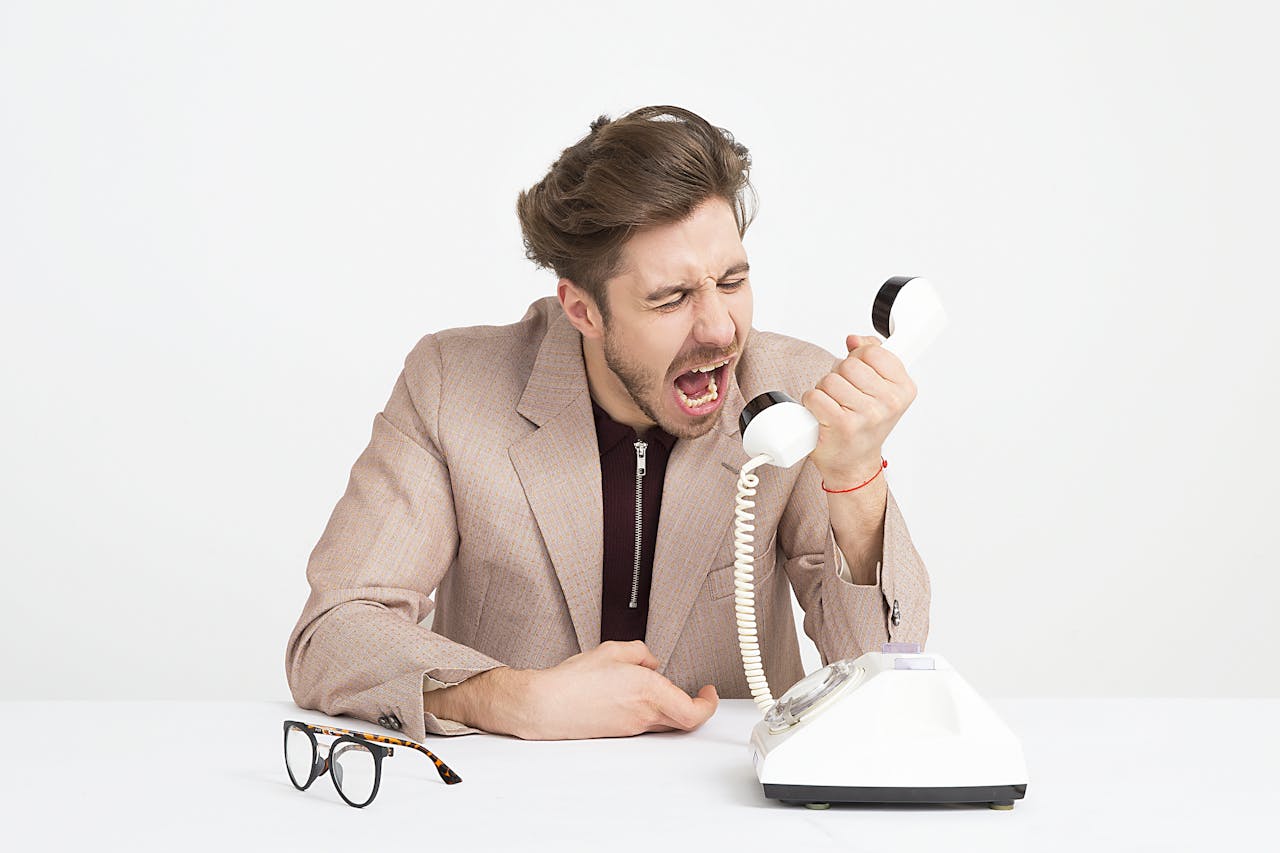
Dental Appointment Reminders: How to Reduce No-Shows
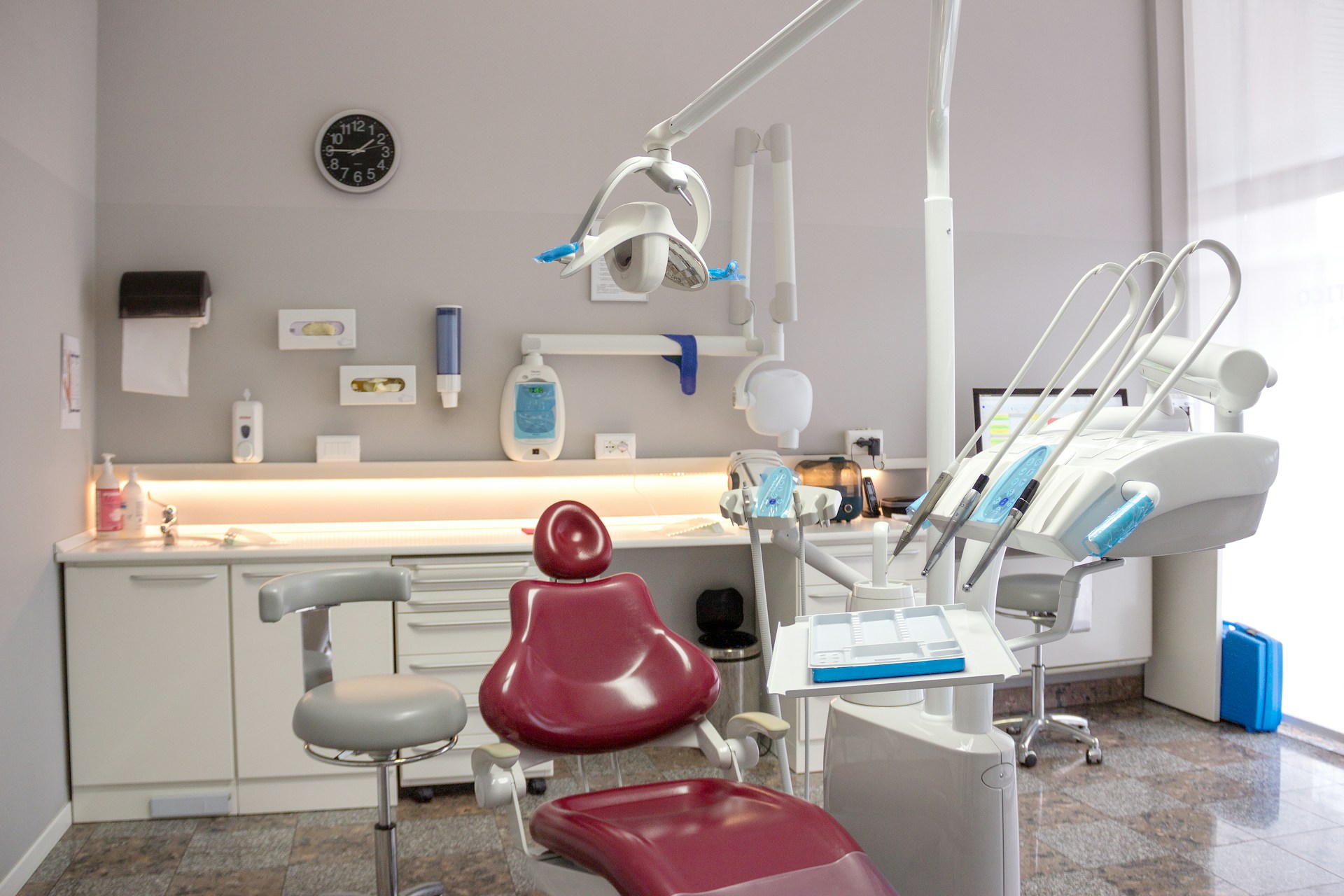
Dental practices lose an estimated $52,000-$150,000 annually due to patient no-shows, with the average practice experiencing 15-30% no-show rates. This revenue leakage represents not just missed appointments but disrupted workflows, underutilized staff, and frustrated team members. The solution isn't hiring more receptionists or making more manual reminder calls—it's implementing intelligent, automated systems like the Arini AI Receptionist that transform patient communication from a cost center into a revenue-generating asset.
Key Takeaways
- Automated appointment reminders reduce dental no-show rates by 22.95%, recovering $70,000+ in annual revenue for average practices
- The "3-3-3" rule (reminders at 3 weeks, 3 days, and 3 hours before appointments) maximizes effectiveness, with three-week reminders achieving 79% success rates
- SMS dominates as the preferred channel—80% of patients prefer text over phone calls with open rates often exceeding 90% within minutes
- Self-scheduled appointments have 70% lower no-show rates (1.8% vs 5.9%) than staff-scheduled appointments, highlighting patient control as a key factor
- According to industry reports, 40% of healthcare appointments are booked outside business hours, making 24/7 availability critical for capturing new patient opportunities
- Deep integration with practice management systems (Dentrix, OpenDental, EagleSoft, Denticon) eliminates manual data entry and prevents scheduling errors
- AI-powered receptionists deliver substantially greater value than basic reminders, with practices reporting 15-25% booking increases beyond no-show reduction alone
The Cost of No-Shows: Why Effective Reminders Are Crucial
The financial impact of missed dental appointments extends far beyond the immediate lost production. Each no-show represents $120-200 in direct revenue loss, but the true cost compounds through cascading operational inefficiencies. When a patient fails to appear, the practice loses not just the appointment slot but also the opportunity to schedule another patient, potentially creating a domino effect of underutilized chair time.
According to a landmark study analyzing 1.6 million appointments across 64 practices, practices with no-show rates above 15% experience significantly lower profitability and higher staff turnover. The study found that practices losing just one appointment per day forfeit approximately $70,000 annually—money that could fund staff bonuses, equipment upgrades, or marketing initiatives.
The operational burden is equally significant. Front desk staff spend an average of 40+ hours monthly on manual reminder calls, appointment rescheduling, and no-show follow-up—time that could be redirected to patient care, treatment coordination, or revenue-generating activities. This administrative overload contributes to staff burnout and reduces the quality of in-person patient interactions.
Patient experience suffers as well. When practices operate with frequent gaps in their schedule due to no-shows, they often overbook to compensate, leading to longer wait times and rushed appointments for patients who do show up. This creates a negative feedback loop where patient satisfaction decreases, potentially driving more patients to competitors with more reliable scheduling systems.
Leveraging Technology for Automated Appointment Reminders
The evolution from manual reminder calls to intelligent, automated systems represents one of the most significant operational improvements available to modern dental practices. Automated reminder systems eliminate human error, ensure consistent communication, and free staff to focus on high-value patient interactions.
The most effective automated systems follow evidence-based protocols like the "3-3-3" rule: sending reminders at three weeks, three days, and three hours before appointments. Research shows that three-week reminders achieve 79% success rates—significantly higher than reminders sent at four weeks, two weeks, or one week. This timing allows patients to plan ahead while providing multiple touchpoints to reinforce the commitment.
Multi-channel communication is essential for maximum effectiveness. While SMS messages achieve exceptionally high open rates, often exceeding 90% within minutes, patient preferences vary by demographic and situation. The most sophisticated systems automatically select the optimal channel based on patient history and preferences, ensuring messages are seen and acted upon.
Modern automated reminder systems offer capabilities far beyond simple notifications:
- Two-way communication enabling patients to confirm, reschedule, or cancel directly through the reminder
- Intelligent rescheduling that suggests alternative appointment times based on real-time availability
- Personalized messaging that references specific procedures or provider names to increase relevance
- Automated follow-up for patients who don't respond to initial reminders
- Integration with practice workflows to trigger appropriate staff notifications based on patient responses
The Arini AI Receptionist exemplifies this evolution, combining automated reminders with conversational AI that can handle complex scheduling scenarios, answer patient questions about procedures or insurance, and even conduct preliminary intake conversations—all while maintaining HIPAA compliance and seamless integration with existing practice management systems.
Crafting Effective Appointment Reminder Templates for Text and Email
The content and design of appointment reminders significantly impact their effectiveness. Generic, impersonal messages are easily ignored, while well-crafted communications that address patient needs and preferences drive higher confirmation and attendance rates.
Best Practices for SMS Reminders
SMS remains the dominant channel for appointment reminders, with 80% of patients preferring text over phone calls. Effective SMS templates should:
- Keep messages under 160 characters when possible to avoid truncation
- Include essential information: date, time, provider name, and office location
- Provide clear, simple action options (confirm, reschedule, cancel)
- Use personalized elements like the patient's first name and specific procedure type
- Include practice contact information for questions
- Respect privacy by avoiding detailed PHI in the message body
Example effective SMS template: "Hi [Name], your cleaning with Dr. Smith is on [Date] at [Time]. Reply CONFIRM, RESCHEDULE, or CANCEL. Questions? Call [Phone]."
Designing Engaging Email Templates
Email reminders allow for more detailed information and visual elements. Effective email templates should:
- Use clear, compelling subject lines that convey urgency and importance
- Include practice branding and professional design elements
- Provide comprehensive appointment details with calendar integration options
- Offer multiple rescheduling options with real-time availability
- Include relevant pre-appointment instructions or preparation requirements
- Feature clear call-to-action buttons for easy response
- Be mobile-optimized, as most patients read emails on smartphones
Personalization Strategies
The most effective reminder systems go beyond basic personalization to create truly relevant communications:
- Procedure-specific messaging that addresses common concerns or preparation requirements
- Provider-specific content that references the patient's relationship with their dentist or hygienist
- History-based personalization that acknowledges previous attendance patterns or communication preferences
- Demographic-appropriate language that considers age, cultural background, and language preferences
- Behavioral triggers that adjust messaging based on patient response patterns
The Patient FAQ Module enhances this personalization by maintaining a comprehensive knowledge base that ensures consistent, accurate information across all patient interactions, reducing the need for patients to call with routine questions and improving overall communication quality.
Implementing Smart Scheduling to Minimize Missed Appointments
The scheduling process itself plays a crucial role in appointment attendance. Practices that empower patients with control and flexibility see significantly lower no-show rates than those relying solely on staff-directed scheduling.
Research shows that self-scheduled appointments have 70% lower no-show rates (1.8% vs 5.9%) than appointments scheduled by staff. This dramatic difference stems from the psychological commitment that occurs when patients actively choose their appointment time, rather than passively accepting a time offered by staff.
Effective smart scheduling implementations include:
- Online booking widgets on practice websites and social media profiles that allow 24/7 self-scheduling
- Real-time availability displays that show actual open slots without requiring phone calls
- Automated waitlist management that instantly notifies patients when preferred times become available
- Block scheduling capabilities that accommodate different appointment types and provider preferences
- Custom scheduling rules that prevent overbooking and ensure appropriate time allocations
- Multi-location routing that directs patients to the most appropriate office based on their needs and location
The Call Answering Module takes smart scheduling to the next level by enabling AI-powered phone conversations that can handle complex scheduling scenarios. Patients can call after hours and still book appointments that respect all practice rules and provider availability, capturing the significant portion of appointments requested outside business hours that many practices miss entirely.
Beyond Reminders: Proactive Patient Engagement Strategies
While automated reminders address immediate appointment attendance, comprehensive patient engagement strategies build long-term commitment and loyalty that reduce no-shows across the entire patient journey.
Effective proactive engagement includes:
- Educational content delivery that explains the importance of preventive care and treatment compliance
- Personalized follow-up communications after appointments to ensure patient satisfaction and address concerns
- Reactivation campaigns for lapsed patients that re-establish the value of regular dental care
- Treatment plan reinforcement that reminds patients of recommended procedures and their benefits
- Feedback collection that identifies potential issues before they lead to appointment cancellations
The key difference between basic reminder systems and comprehensive engagement platforms is the ability to conduct two-way conversations that address patient concerns and build relationships. When patients feel heard and supported, they're more likely to prioritize their appointments and communicate proactively if issues arise.
According to the Centers for Disease Control, effective patient communication plays a vital role in improving oral health outcomes. The Patient FAQ Module supports this comprehensive approach by ensuring patients receive consistent, accurate answers to common questions about insurance, billing, office hours, and procedures—reducing call volume to staff while maintaining high service quality.
Integrating with Your Dental Practice Management Software for Seamless Operations
The effectiveness of any automated reminder system depends heavily on its integration with existing practice management software. Without seamless integration, practices face data inconsistencies, workflow disruptions, and the very inefficiencies they're trying to eliminate.
Deep integration with major dental PMS platforms (OpenDental, Dentrix, EagleSoft, Denticon) provides critical capabilities:
- Real-time appointment synchronization that ensures reminder systems always have current schedule data
- Automatic status updates when patients confirm or reschedule through reminders
- Bi-directional data flow that eliminates manual data entry and prevents errors
- Comprehensive patient record access that enables personalized, context-aware communications
- Automated workflow triggers that notify appropriate staff members of patient responses
- Financial data integration that supports insurance verification and payment reminders
The Integration Module addresses these integration challenges with one-click connections to major PMS platforms and flexible customization tools that adapt to each practice's unique workflows and rules. This deep integration ensures that the AI receptionist functions as a true extension of the practice team, rather than a disconnected communication channel.
How AI-Powered Receptionists Transform No-Show Rates and Revenue
The most significant advancement in dental appointment management is the evolution from basic reminder systems to comprehensive AI-powered receptionists. These systems don't just send notifications—they engage in natural conversations, handle complex scheduling scenarios, answer patient questions, and capture opportunities 24/7.
AI receptionists address the root causes of no-shows through multiple mechanisms:
- 24/7 availability captures appointment requests that come in outside traditional business hours
- Conversational intelligence handles complex scheduling needs and patient concerns that simple reminders can't address
- Multilingual support ensures clear communication with diverse patient populations
- Instant booking capability converts inquiry calls directly into scheduled appointments
- Intelligent call routing directs patients to the most appropriate staff member or service
The financial impact is substantial. Practices implementing comprehensive AI receptionist solutions report 15-25% increases in bookings and significant revenue recovery. One California practice reported an 80% reduction in missed calls and $56,000 in additional booked treatments within 30 days of implementation.
The Arini AI Receptionist exemplifies this comprehensive approach, answering 100% of inbound calls 24/7, booking appointments directly into practice management systems, and handling FAQs about insurance, billing, and office logistics. This transforms the front desk from a bottleneck into a revenue-generating asset, while maintaining HIPAA compliance and seamless integration with existing workflows.
Measuring Success: Analytics for Optimizing Your Reminder Strategy
Effective appointment reminder systems require ongoing optimization based on performance data. Without proper analytics, practices cannot identify what's working, what needs improvement, or the true ROI of their investment.
Key metrics to track include:
- No-show rate trends over time and by patient demographic
- Confirmation rate by communication channel and reminder timing
- Rescheduling patterns that reveal optimal appointment timing
- Staff time savings from automated vs. manual processes
- Revenue impact from recovered appointments and new bookings
- Patient satisfaction scores related to communication quality
- Call abandonment rates and missed call percentages
The Analytics Module provides comprehensive dashboards that track call volume, answered calls, missed calls, and booked appointments, with revenue impact metrics that translate appointment data into financial outcomes. This enables practices to make data-driven decisions about their reminder strategies and continuously optimize for maximum effectiveness.
Successful optimization requires more than just tracking metrics—it demands a systematic approach to testing and refinement. Practices should regularly experiment with different reminder timing, channel combinations, message content, and call-to-action options to identify what works best for their specific patient population. The most effective systems use machine learning to automatically adjust strategies based on performance data, continuously improving results over time.
Frequently Asked Questions
What is the most effective way to send appointment reminders?
The most effective approach combines multiple channels with strategic timing. SMS messages achieve exceptionally high open rates (often exceeding 90% within minutes) and are preferred by 80% of patients, but should be complemented with email for detailed information and voice calls for patients who prefer personal contact. The "3-3-3" rule—sending reminders at three weeks, three days, and three hours before appointments—maximizes effectiveness by balancing advance planning with last-minute awareness.
How frequently should I send appointment reminders to patients?
Research indicates that three touchpoints represent the optimal frequency: an initial reminder three weeks before the appointment (which achieves 79% success rates), a follow-up three days before to enable proactive rescheduling if needed, and a final reminder three hours before for last-minute awareness. Sending fewer reminders reduces effectiveness, while sending more may be perceived as nagging and could lead to opt-outs.
Can automated appointment reminders integrate with my existing dental software?
Yes, modern automated reminder systems offer deep integration with major dental practice management software including OpenDental, Dentrix, EagleSoft, and Denticon. This integration enables real-time appointment synchronization, automatic status updates when patients respond to reminders, and elimination of manual data entry. The key is choosing a system specifically designed for dental practices rather than generic healthcare communication platforms.
How does Arini's AI receptionist specifically help reduce no-shows?
Arini's AI receptionist reduces no-shows through multiple mechanisms beyond basic reminders. It answers 100% of inbound calls 24/7, converting missed call opportunities into booked appointments. It handles complex scheduling conversations that address patient concerns and preferences, leading to higher commitment levels. It provides consistent, accurate answers to common questions about procedures, insurance, and office policies, reducing confusion that can lead to missed appointments. And it captures appointment requests that come in outside business hours that many practices miss entirely.
Is it worth investing in an appointment scheduling app or AI receptionist for a small practice?
Absolutely. Small practices often feel the impact of no-shows more acutely than larger organizations because each missed appointment represents a larger percentage of daily production. With practices typically losing $70,000 annually from just one no-show per day, even modest reductions in no-show rates can justify the investment. Additionally, small practices benefit significantly from the staff time savings (40+ hours monthly) that automated systems provide, allowing limited team members to focus on patient care rather than administrative tasks.
How can I ensure my reminder messages comply with HIPAA regulations?
HIPAA compliance requires limiting protected health information (PHI) in reminder messages, particularly SMS. Best practices include avoiding specific procedure details in text messages, using secure patient portals for detailed information, obtaining proper patient consent for automated communications, and ensuring your reminder platform maintains appropriate security measures and business associate agreements. Most modern dental-focused reminder systems are designed with HIPAA compliance in mind and handle these requirements automatically.