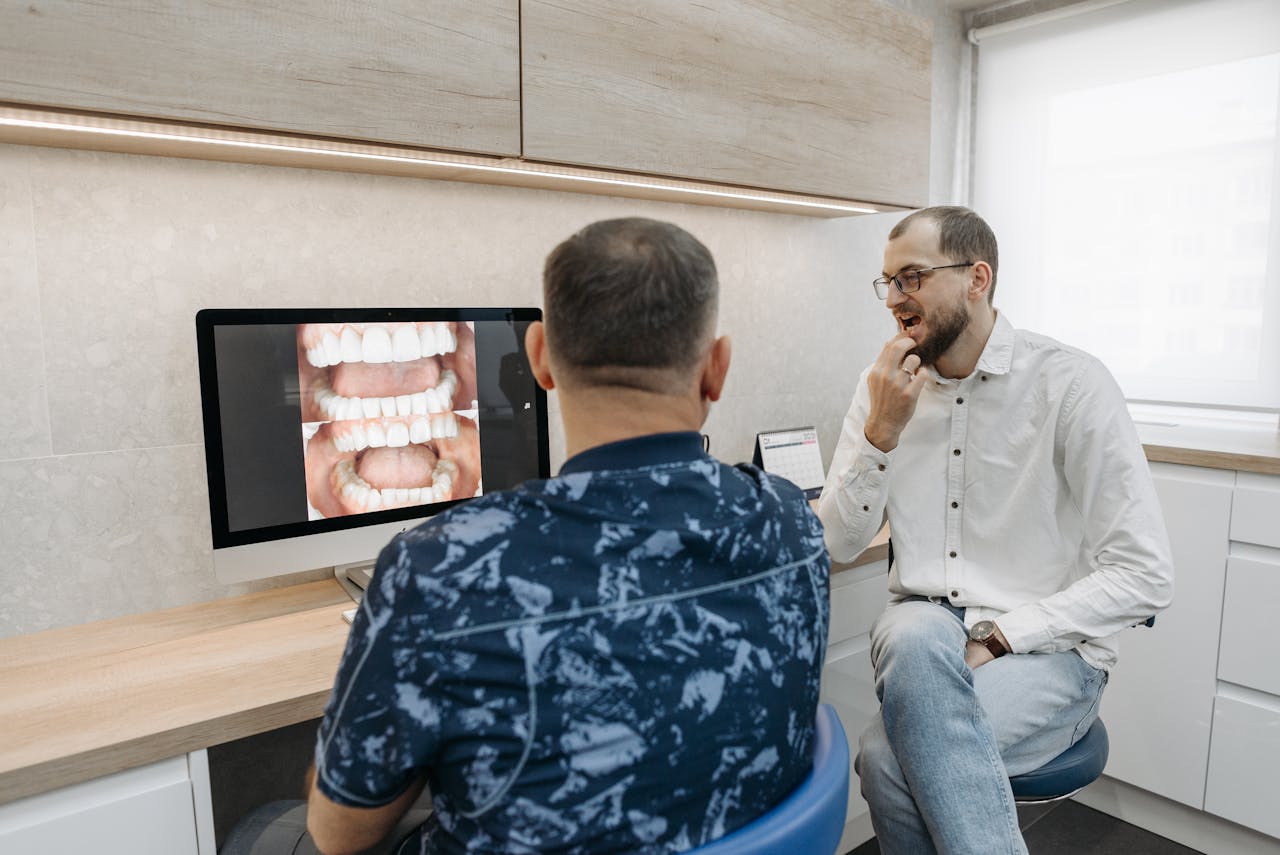
How to Automate Dental Implant Consultation Scheduling with an AI Receptionist

Dental implant practices lose significant revenue when high-value consultation calls go unanswered, especially during after-hours when nearly 50% of patients research and call about treatment options. An Arini AI receptionist platform solves this by answering every call 24/7, understanding complex implant terminology, and booking multi-appointment sequences directly into your practice management system—capturing cases worth $3,000-8,000 that would otherwise be lost to voicemail.
Key Takeaways
- Dental implant practices can capture $56,000 in new appointments in the first month alone by automating after-hours calls
- Nearly 50% of dental bookings occur outside business hours when patients research high-value procedures like implants
- AI receptionists handle complex implant scheduling including multi-visit treatment sequences (consultation → surgery → restoration)
- Implementation typically takes 1-2 weeks with minimal technical requirements for most practices
- True dental-specific AI understands implant terminology like "All-on-4," "bone graft," and "full-arch" without confusing patients
- Practices report reduction in no-shows through automated confirmation and reminder systems
- HIPAA-compliant AI receptionists protect patient data while handling sensitive implant consultation information
- Research shows that automated scheduling systems improve patient access to care while reducing administrative burden on dental practices
Why Your Dental Practice Needs an AI Receptionist for Dental Implant Consultations
Implant consultations represent high-value opportunities that require immediate attention. Unlike routine cleanings worth a few hundred dollars, implant cases average $3,000-8,000 per case, making every missed call a significant revenue loss.
- After-Hours Inquiry Patterns: Patients researching expensive procedures like dental implants often call evenings and weekends when offices are closed, leaving voicemails that may not get returned quickly enough.
- Complex Scheduling Requirements: Implant cases require longer consultation appointments (60-90 minutes vs. 30-minute cleanings) and often involve multiple visits that need coordinated scheduling.
- Patient Decision Urgency: Implant patients are typically ready to book when they call—they don't want to leave voicemails and wait for callbacks, especially when competitors answer instantly.
- Revenue Impact Analysis: One oral surgery practice captured $56,000 in new patient appointments in their first month using AI receptionist technology.
The Cost of Missed Calls for High-Value Procedures
When you miss an implant consultation call, you're not just losing a single appointment—you're losing the entire treatment sequence. Full-arch cases can represent $20,000-50,000 in potential revenue per patient.
- Competitive Disadvantage: When patients call multiple practices, they typically book with the first one that answers—your competitors with 24/7 coverage are capturing your ideal patients while you're sending callers to voicemail.
- Marketing Investment Waste: Every dollar spent on implant marketing is wasted if the resulting calls go unanswered during peak research hours (evenings/weekends).
- Referral Chain Disruption: Missing the initial consultation breaks the valuable referral pipeline that satisfied implant patients create within their communities.
How Does an AI Receptionist Handle Complex Dental Implant Scheduling?
Unlike generic scheduling tools, dental-specific AI receptionists understand the nuances of implant treatment planning and can book appropriate appointment types based on patient conversations.
- Appointment Type Differentiation: AI recognizes when a patient needs a 60-minute implant consultation vs. a 30-minute cleaning and books the correct appointment duration.
- Multi-Visit Sequence Coordination: For complex cases like All-on-4 or full-arch implants, AI can offer tentative holds on subsequent appointments (surgical planning → implant placement → final restoration).
- Provider and Room Requirements: AI understands which providers perform implant surgery vs. general dentistry and books accordingly, including appropriate room allocations for surgical procedures.
- Block Scheduling Support: Systems like Arini's scheduling module support custom scheduling rules for surgical days, ensuring adequate time blocks for implant procedures.
What Makes Dental-Specific AI Different from Generic Solutions?
Generic AI receptionists struggle with dental terminology and implant-specific workflows. Dental-trained AI includes specialized knowledge that improves patient experience and booking accuracy.
Implant Terminology Recognition
Understands terms like "bone graft," "CT scan needed," "All-on-4," and "immediate load" without requiring clarification.
Treatment Sequence Logic
Knows that implant consultations typically lead to surgical planning appointments, then placement surgery, then follow-ups.
Insurance Complexity Handling
Recognizes that implant procedures have different insurance considerations than routine dentistry and can collect appropriate information. According to NIH research on healthcare automation, AI systems that understand domain-specific terminology reduce patient frustration and improve booking completion rates.
Emergency vs. Routine Triage
Distinguishes between true implant emergencies (severe pain, swelling, trauma) and routine inquiries requiring standard scheduling.
What Implementation Steps Are Required to Automate Implant Scheduling?
Setting up an AI receptionist for implant practices involves straightforward steps that most practice managers can complete without technical expertise.
Initial Account Setup
Time Required: 10-20 minutes
Complete practice profile including specialties, providers, hours, and implant services offered.
Practice Management System Integration
Time Required: 2-4 hours
Connect to your PMS (Dentrix, Eaglesoft, Open Dental, etc.) for real-time calendar access and direct appointment booking.
Phone System Configuration
Time Required: 20 minutes-2 hours
Set up call forwarding for after-hours/overflow calls or full-time AI answering depending on your preference.
Appointment Type Configuration
Time Required: 1-2 hours
Define implant-specific appointment types with appropriate durations and provider assignments.
Emergency Protocol Setup
Time Required: 30 minutes
Configure emergency keywords and escalation contacts for true implant emergencies requiring immediate attention.
How Long Does Full Implementation Take?
Implementation timelines vary based on practice complexity.
Basic Setup
Timeline: 1-3 days
After-hours coverage with simple implant consultation booking.
Full Customization
Timeline: 1-2 weeks
Complex multi-visit sequences, custom insurance questions, and complete workflow integration.
Multi-Location Rollout
Timeline: 2-4 weeks
Standardized protocols across multiple offices with location-specific customizations.
Most practices achieve immediate ROI by capturing their first after-hours implant consultation call, which can pay for the entire annual subscription.
Which AI Receptionist Platform Is Best for Dental Implant Practices?
When evaluating AI receptionists for specialty dental practices, look for dental-specific training, complex scheduling logic, and seamless PMS integration.
Arini
Specializes in periodontal and implant practices with complex scheduling logic, capturing $56,000 in appointments for one oral surgery practice in the first month.
Key Features
- True conversational AI (not menu-based IVR systems)
- Dental-specific training with implant terminology recognition
- Bidirectional PMS integration for real-time scheduling
- Multi-visit appointment sequencing capabilities
- Emergency triage with immediate escalation
- HIPAA compliance with signed Business Associate Agreement
How Much Does AI Receptionist Technology Cost for Implant Practices?
Pricing varies based on practice size, call volume, and required features, but ROI typically exceeds costs within the first month.
Pricing Tiers
- Starter Plans: $49-199/month for basic call handling (limited to single locations, basic features)
- Professional Plans: $299-499/month for full PMS integration, unlimited calls, and complex scheduling
- Enterprise Plans: $499-799+/month for multi-location management and advanced analytics
- Implementation Costs: Usually included, though some enterprise solutions may charge $0-5,000 setup fees
What Is the Expected ROI for Implant Practices?
The return on investment is substantial for implant-focused practices.
- Revenue Capture: Practices report capturing 3-5 new implant consultations weekly from previously missed after-hours calls.
- No-Show Reduction: More than 30% decrease in no-shows through automated confirmation systems.
- Staff Efficiency: 30-45% reduction in time spent on routine scheduling calls.
- Break-Even Timeline: Often achieved with the first captured after-hours implant consultation.
One oral surgery practice captured $56,000 in new patient appointments in their first month, while industry data shows practices typically recover $176,000 annually from previously lost calls.
How Do AI Receptionists Ensure HIPAA Compliance for Implant Patient Data?
Protecting sensitive patient information is critical when handling implant consultation details, medical history, and insurance information.
- Business Associate Agreements: Reputable vendors like Arini provide signed BAAs that legally commit to HIPAA compliance standards and data protection.
- Data Encryption: All patient data is encrypted both in transit (TLS 1.3) and at rest (AES-256) to prevent unauthorized access.
- Access Controls: Role-based permissions ensure only authorized staff can access call recordings and patient information.
- Audit Trails: Comprehensive logging tracks who accessed what data and when, supporting HIPAA audit requirements.
- U.S.-Based Data Storage: Patient information is stored exclusively in the U.S.-based data centers to maintain compliance jurisdiction. CDC healthcare technology guidelines emphasize the importance of secure data handling in healthcare automation.
What Patient Information Can AI Safely Collect?
AI receptionists should collect only necessary information for scheduling purposes.
Appropriate Information Collection
- Basic contact information (name, phone, email)
- Insurance details (carrier, member ID, group number)
- Chief complaint (implant consultation, bone graft evaluation, etc.)
- Availability preferences (preferred appointment times)
AI should not collect detailed medical history or full treatment records—that information belongs in secure in-person intake processes.
Benefits of Implementing AI for Your Dental Practice
Beyond just answering calls, AI receptionists transform how dental implant practices operate and grow.
- Enhanced Patient Experience: Immediate response times create positive first impressions and demonstrate practice professionalism.
- Increased Case Acceptance: Patients who book consultations quickly are more likely to proceed with treatment recommendations.
- Staff Satisfaction: Reducing repetitive scheduling calls allows your team to focus on in-office patient care and complex case coordination.
- Competitive Market Positioning: 24/7 availability differentiates your practice in competitive dental markets where patient expectations continue to rise.
- Scalable Growth Infrastructure: AI systems handle volume spikes during marketing campaigns without requiring additional staff hiring.
Understanding the Phoenix Dental Market Context
For dental practices in markets like Phoenix, Arizona, understanding local patient behavior helps maximize AI receptionist effectiveness.
- Market Characteristics: Phoenix's growing population and reputation as a dental tourism destination create unique opportunities for implant practices.
- After-Hours Call Patterns: In sun-belt markets, patients often research healthcare options during cooler evening hours, making after-hours coverage especially valuable.
- Competitive Landscape: Major metropolitan areas have high dental practice density, making immediate call response a critical competitive differentiator.
- Seasonal Considerations: Winter months bring increased patient volume as snowbirds and visitors seek dental care, requiring scalable reception capacity.
Frequently Asked Questions
How does AI handle insurance questions for dental implants?
The AI can be programmed with information about your practice's accepted insurance carriers and their typical implant coverage policies. For complex coverage questions that require verification, the AI collects the necessary insurance information and schedules the consultation, with your insurance coordinator following up before the appointment. This approach captures the booking while ensuring accurate coverage details are confirmed by human staff.
Can AI schedule complex full-arch implant cases?
Yes, advanced AI platforms like Arini handle multi-appointment sequences. The AI can schedule the initial consultation and offer tentative holds on subsequent appointments (surgical planning, implant placement, healing check-ups, and final restoration). Pre-scheduling the treatment sequence improves patient commitment to the entire process rather than just the consultation.
What happens during implant emergencies?
AI receptionists use sophisticated emergency detection algorithms that recognize keywords like "severe pain," "swelling," "trauma," or "bleeding." When a true emergency is detected, the system immediately escalates the call to your on-call provider via SMS and phone call, ensuring urgent implant complications receive immediate attention while routine inquiries are handled through standard scheduling.
How does AI integrate with practice management software?
Platforms like Arini offer PMS integration with major dental systems including Dentrix, Eaglesoft, Open Dental, and Denticon. The integration provides bidirectional sync, allowing the AI to view real-time availability and book appointments directly into your schedule without manual intervention or double-booking risks.
What analytics track implant consultation bookings?
Comprehensive analytics dashboards track key metrics including total calls answered, implant consultation bookings by type, revenue impact of captured appointments, after-hours vs. business hours call patterns, and no-show rates. These insights help you understand exactly how much revenue your AI receptionist is generating and where to optimize your implant marketing efforts for maximum ROI.